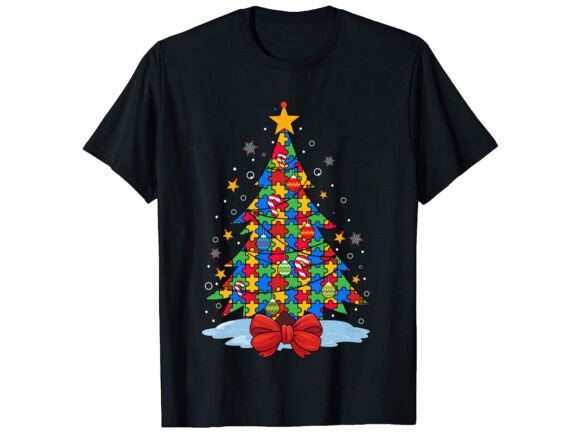
Autism Christmas T-shirt Design Review
As a designer who spends half my life staring at stitch charts and the other half trying to convince clients that embroidery is worth the premium price, I don’t just look at a design file; I look at how it will behave on fabric. When I first opened the Autism Christmas T-shirt design, my immediate reaction was one of cautious optimism. It’s not just another holiday graphic slapped onto a vector canvas; there is a clear intention behind the layout that suggests this was created with the realities of machine embroidery in mind.
The theme is specific: raising awareness for autism during the holiday season. This is a niche that resonates deeply with many families, making it a powerful choice for personalized gift projects or boutique merchandise. But does the design hold up under the needle? Let’s break down what makes this Graphics asset work, where it shines, and where you might need to exercise some professional judgment before sending it to your hoop.
First Impressions and Visual Personality
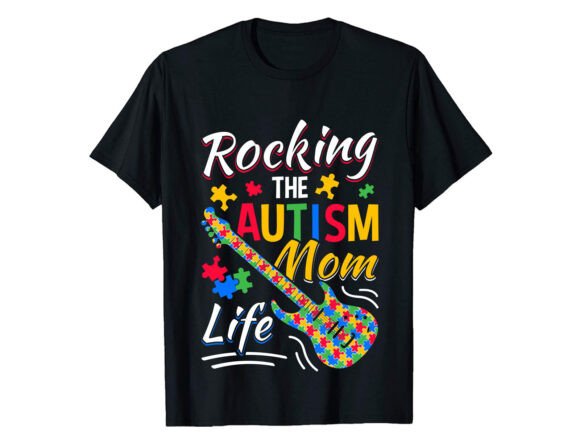
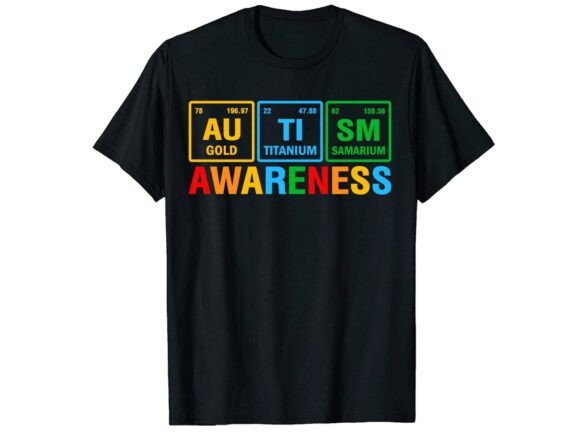
The first thing you notice about the Autism Christmas T-shirt is its mood. It balances the festive spirit of Christmas with the supportive symbolism often associated with autism awareness—usually represented by puzzle pieces or infinity symbols in blue, gold, or rainbow colors. The visual personality is warm and inviting, avoiding the cluttered look that plagues so many low-quality machine embroidery design files.
From a composition standpoint, the layout feels balanced. It doesn’t scream for attention but rather invites a closer look. For an Etsy seller or small shop product owner, this subtlety is a feature, not a bug. Customers are increasingly drawn to designs that feel thoughtful and meaningful rather than loud and generic. The design has a clean aesthetic that translates well into a finished product, whether it ends up on a toddler’s onesie or a mother’s tote bag.
The detail level is appropriate for the scale. It isn’t overly intricate in a way that would require microscopic stitching, which means it should reproduce clearly on most standard home and commercial machines. However, as with any embroidery project, the devil is in the details, specifically regarding how those details interact with different fabrics.
Real-World Application: Beyond the T-Shirt
While the title suggests a t-shirt, limiting this design to just apparel would be a missed opportunity. In my experience testing various design assets, certain graphics have a versatility that allows them to cross over into accessories and home goods seamlessly. Here is how I see the Autism Christmas T-shirt performing in real-life scenarios:
- Tote Bag Design: This is perhaps the strongest use case. A sturdy canvas tote with this embroidered on the front pocket creates a beautiful handmade product. The flat surface of a tote bag provides the perfect stability for the design, ensuring that stitch density remains consistent and the shape holds true.
- Baby Embroidery: Soft cotton burp cloths, hooded towels, or baby blankets are excellent candidates. The gentle nature of the design fits the nursery decor vibe perfectly. Just ensure you use a high-quality stabilizer to prevent puckering on such delicate fabrics.
- Holiday Embroidery: Think kitchen towels, aprons, or pillow covers. These items are frequently purchased as personalized gift items during the holidays. The festive theme aligns naturally with these household staples.
- Embroidered Patch: If the design includes a border, it could easily be digitized or used as-is to create a sew-on patch. Patches are huge in the craft business right now, especially for jackets and bags.
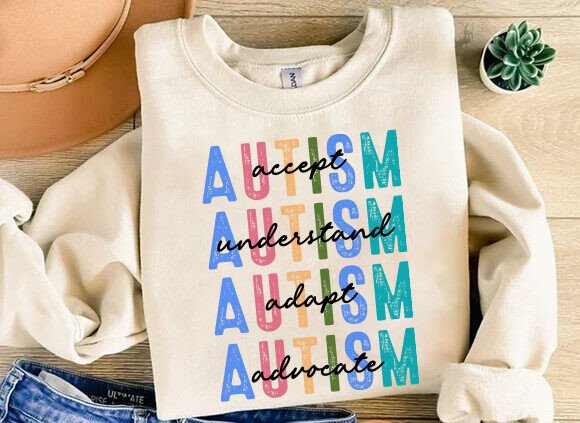
When I mock this up digitally for a client, I often visualize it on a cream-colored sweatshirt or a navy blue cap. The contrast is key here. The design relies on color differentiation to convey its message, so choosing the right base fabric is critical.
Where Caution Is Required
No design is flawless, and every embroiderer knows that "it depends" is the only honest answer when discussing technical execution. There are specific situations where the Autism Christmas T-shirt design might struggle if you aren’t careful.
Small Hoop Sizes: If you attempt to stitch this on a very small area, such as a tiny baby hat or a narrow sleeve cuff, you risk losing definition. Always check the hoop size requirements. If the design is pushed too small, fine lines may merge, and text (if present) may become illegible. I recommend sticking to medium-sized hoops for the best balance of detail and clarity.
Textured and Stretchy Fabrics: While this design looks clean on flat surfaces, textured fabrics like chunky knits or heavy wools can distort the stitches. Similarly, stretchy fabrics like jersey knit require a strong tear-away or cut-away stabilizer to keep the design from warping. If you are working on a sweatshirt embroidery project, make sure the sweatshirt is pre-shrunk and stable.
Dense Stitch Areas: Pay close attention to any fill areas in the design. If the stitch density is too high for the fabric weight, you will end up with stiff, bulky spots that feel uncomfortable against the skin. This is particularly important for custom apparel worn by children or sensitive individuals. Test on scrap fabric first to gauge the hand-feel of the finished embroidery.
Dark Fabric Challenges: If you plan to stitch this on dark backgrounds, ensure you have enough white or light-colored thread in your palette to provide adequate contrast. Dark fabrics can sometimes swallow up lighter threads, muting the visual impact of the design. A stabilizer with a top sheet can help preserve the brightness of your thread colors.
Practical Designer Notes for Success
To get the most out of this digital embroidery file, follow these practical steps before committing to your final piece:
- Test on Scrap Fabric: Never go straight to the customer’s garment. Run the design on a similar type of fabric to check for tension issues, thread breaks, or alignment problems.
- Check Thread Color Contrast: Lay your thread spools next to your fabric sample. Does the design pop? Is the autism awareness symbol distinct from the background? Adjust your color sequence if necessary.
- Review Stitch Density: Zoom in on the digital preview. Are there any areas where the stitches overlap excessively? If so, consider trimming loose threads after stitching to maintain a professional finish.
- Confirm Licensing: Before selling any commercial embroidery products, double-check the license terms provided with the file. Some Graphics are for personal use only, while others allow limited commercial sales. Respecting intellectual property protects your craft business reputation.
- Use Proper Stabilizer: Match your stabilizer to your fabric. Heavy fabrics need heavy stabilizers; light fabrics need lightweight options. A good rule of thumb is that the stabilizer should remain supportive even after the garment is washed.
Final Verdict
The Autism Christmas T-shirt design is a solid addition to any embroiderer’s library. It strikes a nice balance between festive cheer and meaningful advocacy, making it a versatile tool for creative entrepreneurs looking to expand their holiday offerings. Whether you are creating a printable mockup for an online listing or stitching a heartfelt personalized gift for a friend, this design delivers on both aesthetic appeal and emotional resonance.
It works best on stable, medium-weight fabrics where the details can breathe. Avoid over-complicating the setup, and always prioritize fabric stability. If you handle it with care, this design will help you produce professional results that customers will appreciate and cherish. For anyone in the apparel decorator space or running a small business on Etsy, this is a safe, stylish, and socially conscious choice for the upcoming season.