Rocking the Autism T-shirt Design Review
As a designer who spends half my life troubleshooting stitch errors and the other half obsessing over thread color palettes, I don’t just look at a design file; I visualize the finished product on the hoop. When evaluating Rocking the Autism T-shirt, my goal is to determine if this graphic holds up under the scrutiny of real-world embroidery. We are looking beyond the digital preview to understand how it translates into a tangible, wearable piece of art. This review breaks down the practical application of this T-Shirt Designs category entry, specifically focusing on its viability for small business owners, crafters, and serious hobbyists who need reliable assets for their craft business.
First Impressions and Visual Personality
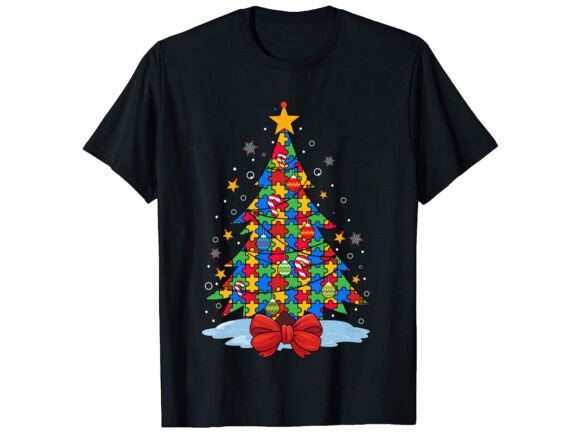
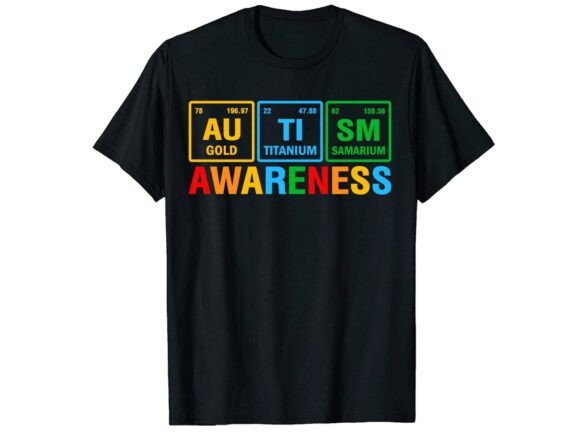
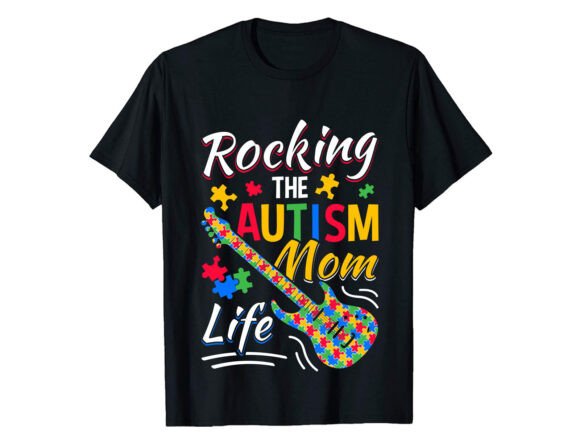
The moment you load Rocking the Autism T-shirt into your digitizing software, the layout suggests a bold, confident statement. The title itself implies movement and energy, which should be reflected in the balance of the design. In the world of custom apparel, especially within the autism awareness community, designs often walk a fine line between cute and meaningful. This particular asset aims for that "rocking" aesthetic, suggesting a dynamic pose or typography that captures attention immediately.
From a visual standpoint, the design feels suited for products where visibility is key. It has the visual weight necessary to stand out on a chest pocket placement or centered on the back of a sweatshirt. The mood is supportive yet spirited, making it an excellent candidate for personalized gift projects where the recipient wants to feel empowered rather than just informed. For an Etsy seller, this kind of emotional resonance is crucial; customers aren't just buying a shirt; they are buying a symbol of support and pride.
Real-World Application: Where This Design Shines
To truly judge an embroidery project, we have to imagine it in use. Let’s say you are preparing a batch of custom orders for a local boutique or crafting a special gift for a family member. Rocking the Autism T-shirt performs exceptionally well on structured garments and sturdy accessories. Here is how it translates across different mediums:
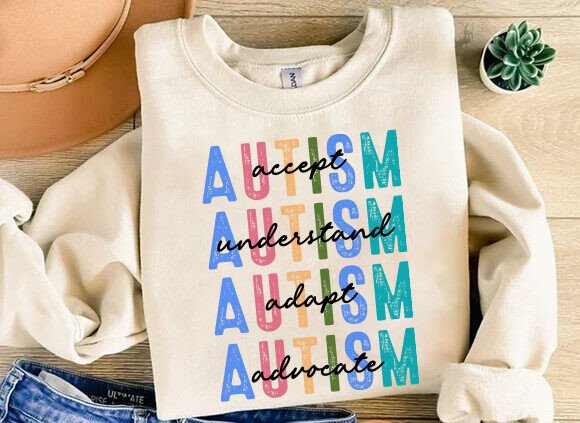
- Sweatshirt Embroidery: The thickness of fleece or cotton blends provides a perfect foundation for this design. The fabric texture supports the density of the stitches without puckering, allowing the "rocking" theme to pop with vibrant thread colors. It feels substantial and warm, ideal for fall and winter collections.
- Tote Bag Design: Canvas totes are a staple for small shop products. Placing this design on a tote bag creates a functional accessory that spreads awareness. The sturdy nature of canvas ensures that even if the design includes dense fill areas, the bag will maintain its shape.
- Baby Embroidery: Soft onesies and burp cloths are high-demand items. If the design elements are clean and not overly jagged, this graphic can be scaled down effectively for baby items. It adds a touch of modern style to nursery decor or baby shower gifts, moving away from traditional pastels toward more contemporary messaging.
- Embroidered Patch: Converting this graphic into a patch allows for versatility. You can attach it to denim jackets, backpacks, or caps. A well-executed patch turns a standard garment into a unique piece of handmade product art.
For commercial embroidery professionals, this design offers strong potential for holiday embroidery campaigns. Autism awareness is year-round, but combining it with seasonal themes can boost sales. It fits seamlessly into printable mockup presentations, helping you visualize how the final product will look before committing to production.
Technical Considerations and Stitch Clarity
Not all graphics translate equally well to needle and thread. When analyzing Rocking the Autism T-shirt, we must consider the mechanics of digitization. The term stitch density is critical here. If the design relies heavily on tight fills, it may become stiff and uncomfortable against the skin, particularly on baby clothes or lightweight tees. Conversely, if it uses too much open space, it might lack the visual impact needed for a statement piece.
Pay close attention to how the design handles satin stitch borders. Satin stitches are used to outline shapes and provide a polished finish. If the curves in the "rocking" element are too sharp, the satin stitch may break or create gaps. Similarly, running stitch details used for text or accents need to be long enough to avoid bunching but short enough to remain legible. As a reviewer, I advise checking the vector paths to ensure that no tiny, disconnected islands exist that could cause threading issues during machine execution.
The choice of fill stitch patterns also matters. A diagonal fill might look great on a flat surface like a tote bag but could distort on a curved surface like a cap. Understanding these nuances helps you decide whether to adjust the digitization settings or choose a different placement strategy.
Where to Use Caution
While this design has broad appeal, there are specific scenarios where you should proceed with caution. Avoid using this design on extremely thin fabrics, such as silk or sheer chiffon, unless you are using a heavy-duty stabilizer. The weight of the embroidery could tear the material. Similarly, stretchy knits require careful testing; if the design lacks adequate stabilization, the repetitive motion of washing could cause the embroidery to pucker over time.
Small hoop sizes present another challenge. If you attempt to shrink this design significantly to fit a 4x4 inch hoop, you risk losing detail. Tiny lettering or intricate graphical elements may merge into indistinguishable blobs. It is always better to keep the design large enough to breathe. Additionally, be mindful of dark fabrics; while dark threads can work, ensuring sufficient contrast is vital for readability. Always test the design on scrap fabric first to confirm that the chosen thread colors pop against your specific fabric background.
Product Value and Customer Trust
In the competitive landscape of online marketplaces, presentation is everything. A high-quality embroidery file like Rocking the Autism T-shirt contributes directly to perceived value. When a customer sees a crisp, well-defined design on a product listing, it signals professionalism and care. This builds trust and increases the likelihood of a purchase.
Furthermore, designs that carry a message of support often foster a deeper connection with the buyer. They are not just decorative; they are communicative. This emotional layer enhances the finished product's worth, allowing sellers to command fair prices for their labor and materials. For design assets creators, providing a versatile graphic that resonates emotionally is a smart business move.
Final Verdict and Practical Advice
Rocking the Autism T-shirt is a strong contender for anyone looking to expand their catalog of awareness-themed merchandise. Its dynamic feel makes it suitable for a wide range of embroidery file applications, from casual wear to specialized gifts. However, success lies in the execution.
Before adding this to your inventory, follow these practical steps:
- Test Run: Stitch the design on the exact fabric you plan to sell. Check for puckering, thread tension issues, and color accuracy.
- Stabilizer Check: Ensure you are using the correct type of stabilizer (cut-away vs. tear-away) for the specific garment weight.
- Licensing Verification: Confirm the licensing terms. If you intend to sell finished items, verify that the license permits commercial use. Do not assume standard personal licenses cover retail sales.
- Mockup Comparison: Compare light and dark fabric backgrounds to see how the design adapts. Sometimes a design looks completely different depending on the substrate.
By approaching Rocking the Autism T-shirt with a critical eye and a focus on technical quality, you can transform a simple graphic into a standout piece of commercial embroidery. It is a tool that, when used correctly, can help you connect with customers on a meaningful level while building a reputable brand in the handmade community.